Do bifold doors in Barnsley usually need a wider opening?
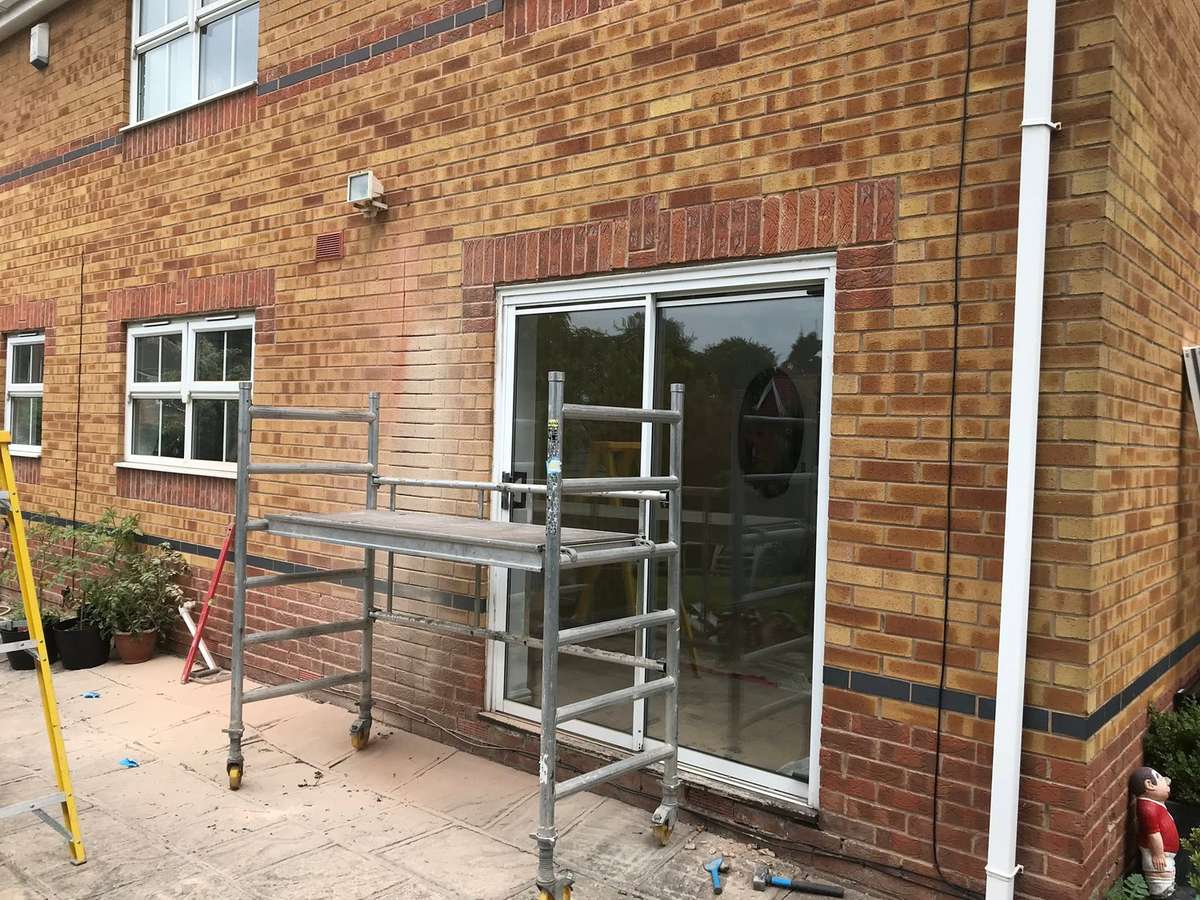
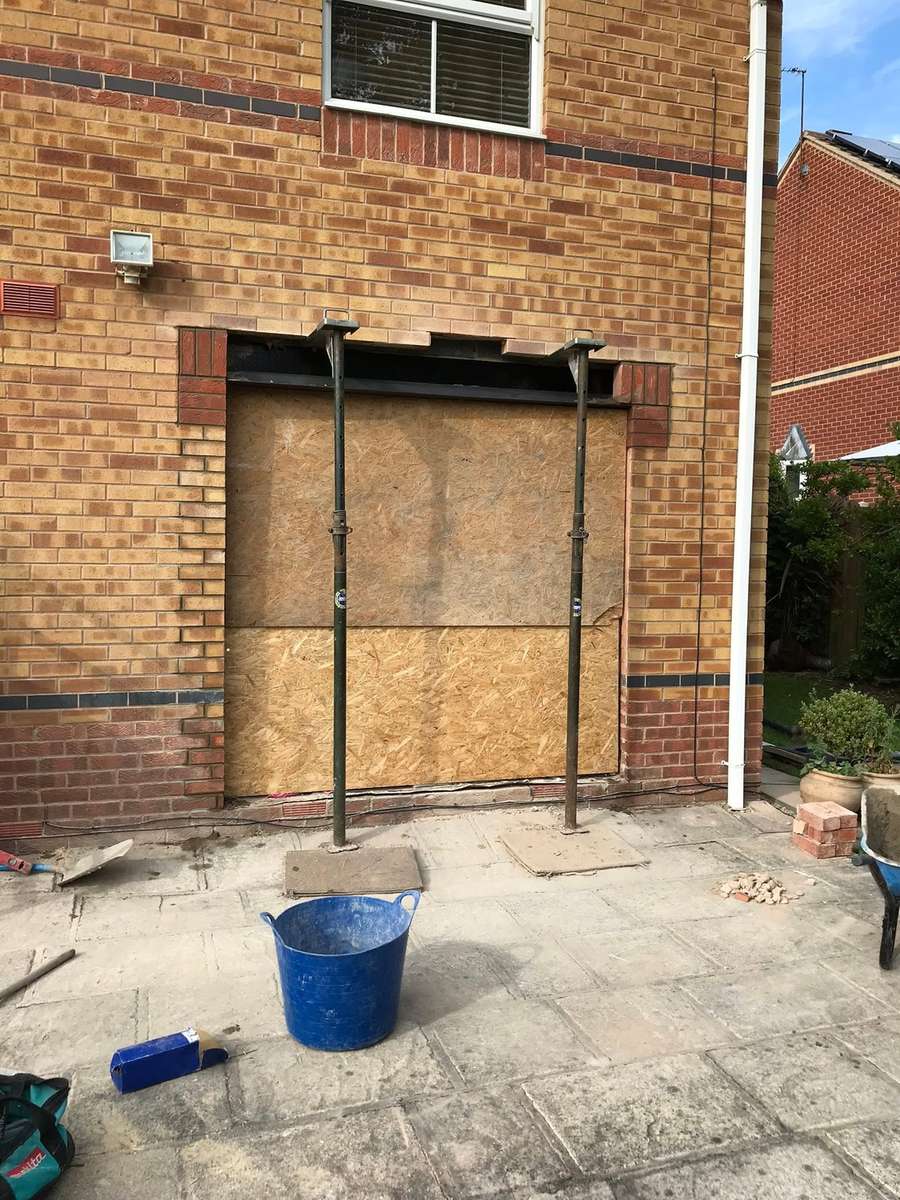
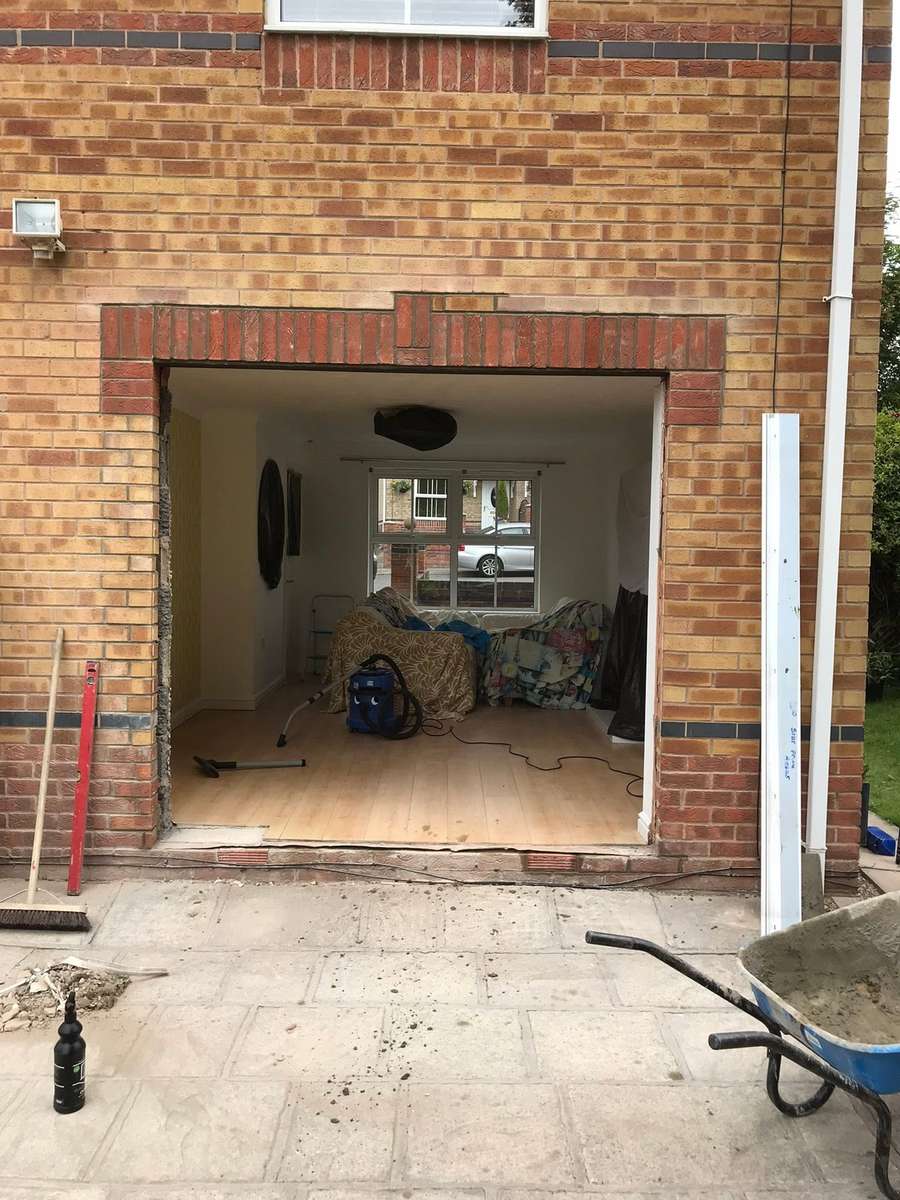
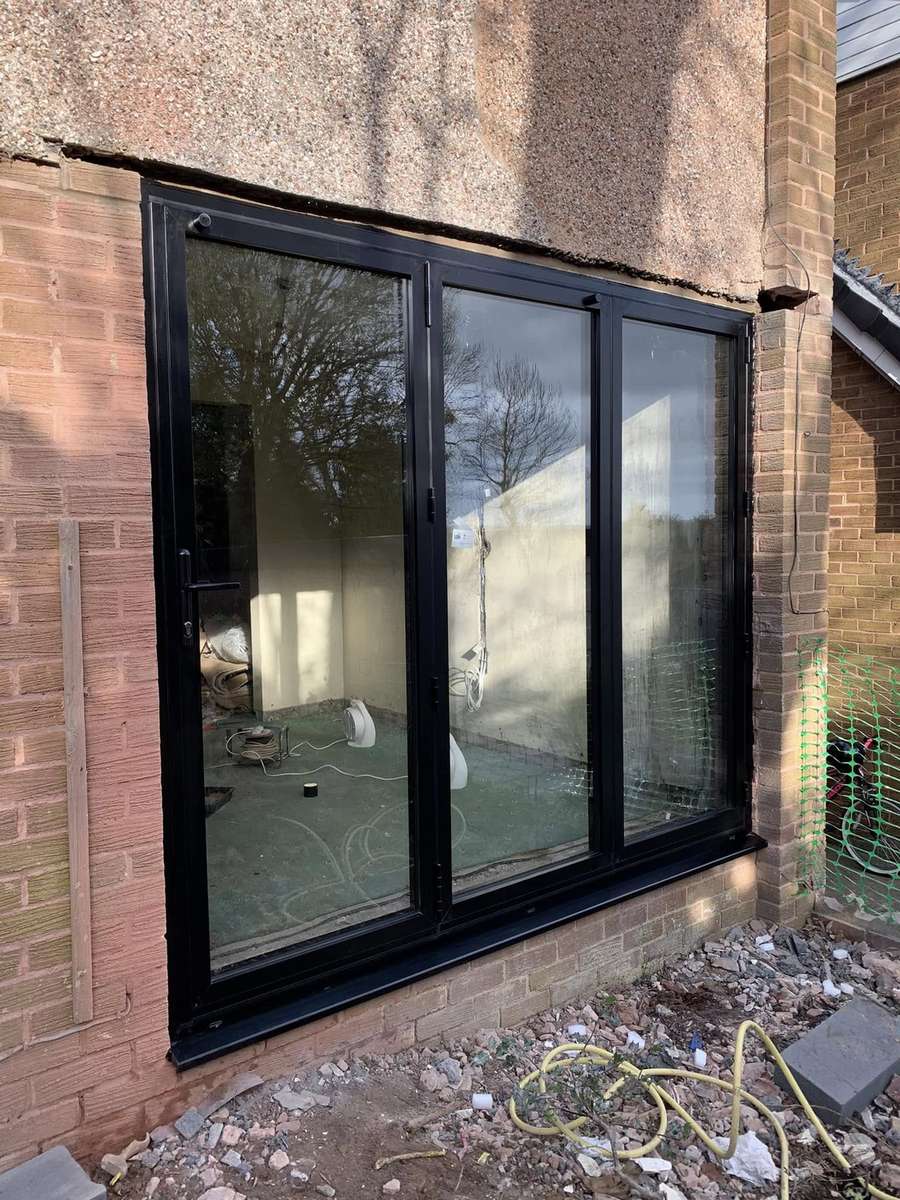
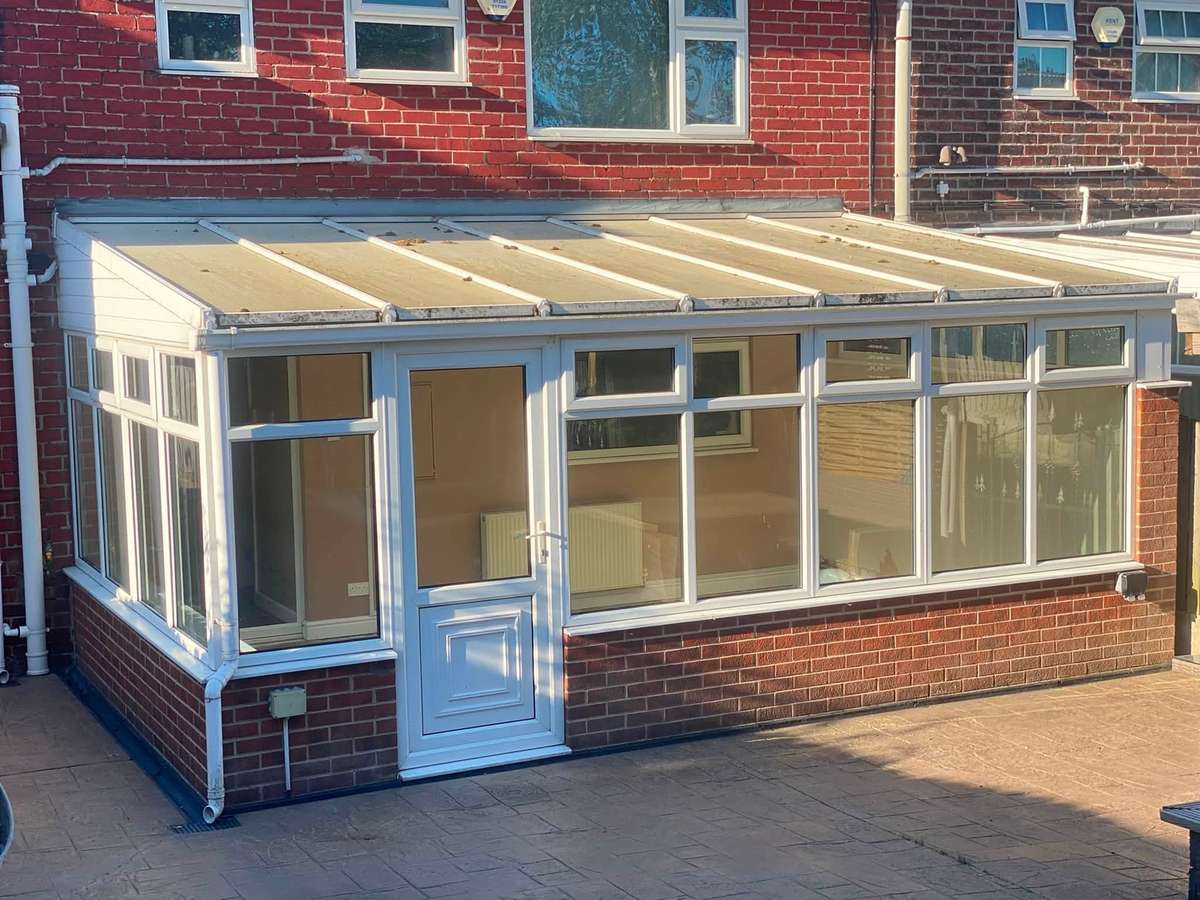
Often, yes. Most houses round here were built with an ordinary patio door or a window at the back, and bifolds look their best across a wider span. Making an opening wider means taking out brickwork, so the wall above has to be held up while it happens and a new lintel or steel beam put in to carry it for good.
That is structural work, and it needs building regulations approval, usually with a beam sized by a structural engineer. It is worth getting the opening looked at before you settle on a size, because the width of the doors follows from what the wall can take, not the other way round.
Bifold or sliding doors: which suits your opening?
Both put a wall of glass across the back of the house. The difference is what happens when you open them. Bifolds fold away to the side like a concertina, so almost the whole opening clears. Sliding doors glide past each other on a track, so one panel always stays in the way, but there is far less frame when they are shut.
A good way to choose: think about the room in February, not in July. If you will mostly look at the garden through the glass, sliding doors win. If the doors will be open every warm evening, go for bifolds. For a narrower opening, French doors and windows are covered on the windows and doors page.
Does it matter which way the garden faces?
More than most people expect. A wall of glass behaves very differently depending on where the sun is.
- South facing gets the most sun, which is lovely in March and hard work in August. Solar control glass, which lets the light through but reflects a good share of the heat, is worth asking about, and so is thinking early about blinds.
- West facing takes the low evening sun straight in, just when the kitchen is busiest. The same advice applies, and bifolds come into their own here because the whole wall can open.
- East facing gets bright mornings and a cooler room by evening. Heat is rarely a problem.
- North facing gets steady, even light with no glare and no overheating. It is also the side most exposed to the weather, so a threshold that keeps the rain out matters more than a perfectly flat one.
Aluminium or uPVC bifolds?
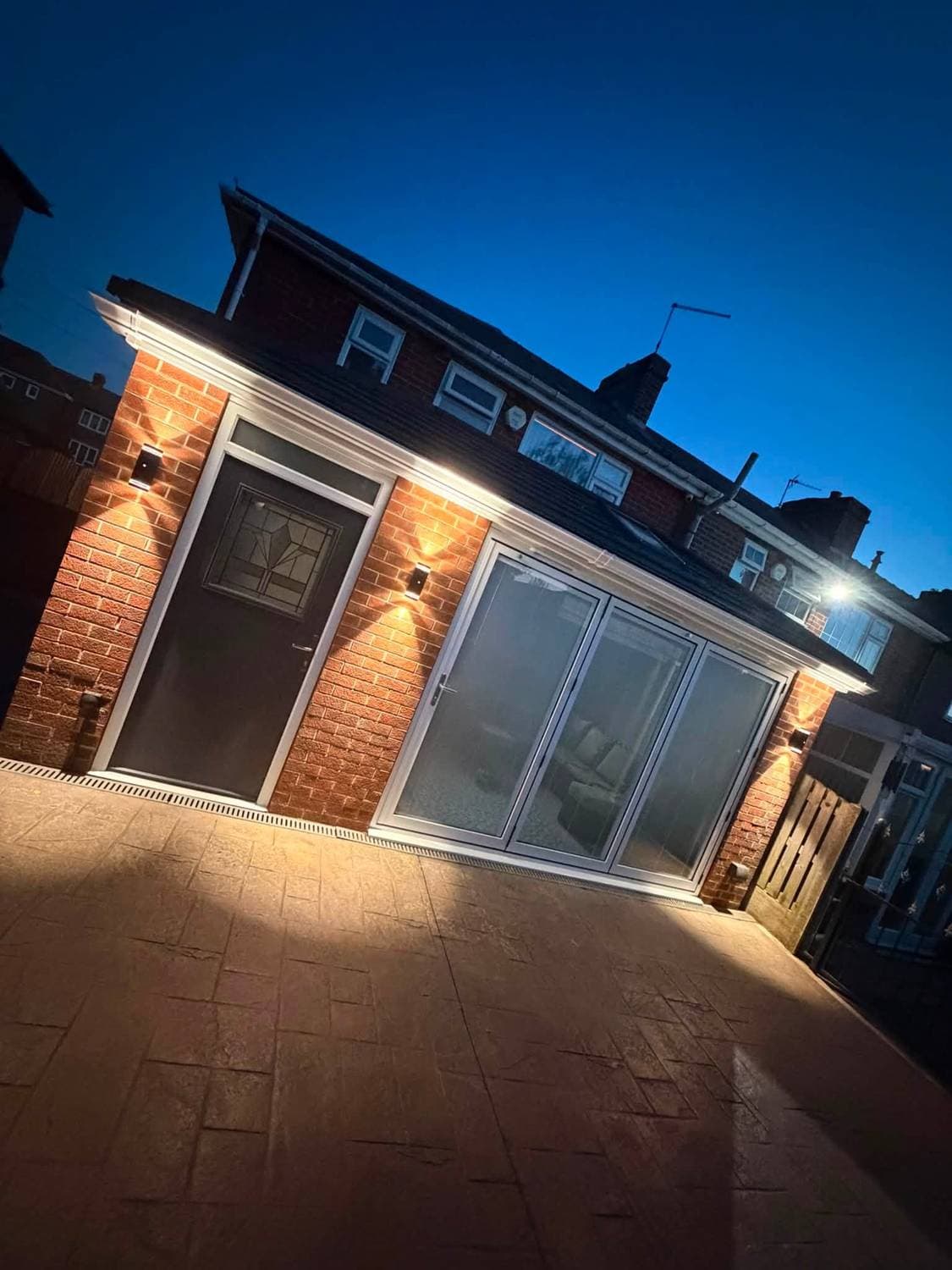
Aluminium is the stronger material, so each panel can be wider and the frames slimmer, and it holds its shape across a big span. It is also where the darker colours look best: anthracite grey against red brick is the look most people have in mind when they picture bifolds. It costs more.
uPVC bifolds cost less and suit a smaller opening, two or three panels wide, especially in white alongside white windows. Across a very wide opening the frames get heavier, and that is where aluminium earns its price. They fit both, and your opening decides which is the better buy. The width, the number of panels, the material, the colour and any widening all move the price, which is why they look at the wall first and price after.